


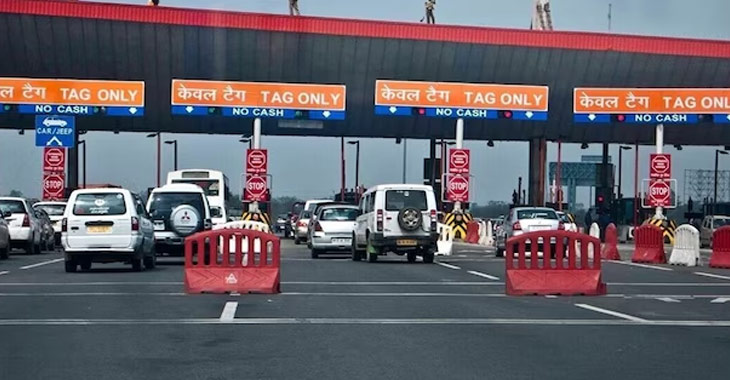
From April 1, road users in India will no longer be able to pay toll charges in cash as the National Highways Authority of India (NHAI) moves to a complete digital payment system.
In a significant move toward modernizing road travel, NHAI will outlaw all cash transactions at toll booths throughout the nation.
Beginning April 1, toll fees for drivers will only be payable via electronic methods like UPI or FASTag.
The goal of the action is to make toll collection more transparent and increase efficiency on national highways and expressways.
A completely digital system, according to authorities, would speed up the passage of cars through toll plazas, shorten wait times, and cut down on travel time.
The elimination of cash lanes should result in a smoother flow of traffic, particularly during rush hour, according to officials.
In addition, quicker toll booth processing will probably lower fuel usage and vehicle emissions, resulting in a more pristine environment.
The changeover may, however, be inconvenient for some travelers, especially those who are not used to making digital payments.
At toll booths, automobiles without a valid FASTag or enough money may be subject to penalties or even be detained.
Commuters will have the option to pay immediately by using UPI to scan the QR codes that are displayed at toll booths in these situations.
However, authorities have cautioned that network problems may occasionally cause delays in these transactions.
Travelers are advised to make sure their FASTag is active, properly connected to their bank account, and has enough money before beginning their trip in order to prevent interruptions.
It is also advised that users have a functional UPI app on their phone as a backup.
The change represents a big step in India’s drive toward digital infrastructure, which will make highway travel faster, smoother, and more efficient.

Leave a Reply